Explore Complete Auto Repair Solutions to Keep Your Vehicle Running Smoothly
Maintaining a vehicle's performance requires a proactive approach to auto repair. Consistent maintenance is crucial to detect issues before they escalate. Understanding common review services, such as oil changes and brake inspections, can aid in this process. Additionally, choosing a reliable repair shop can make a considerable difference. Exploring these solutions can reveal how to keep a vehicle in prime condition, but the particulars of effective maintenance strategies may amaze many owners.
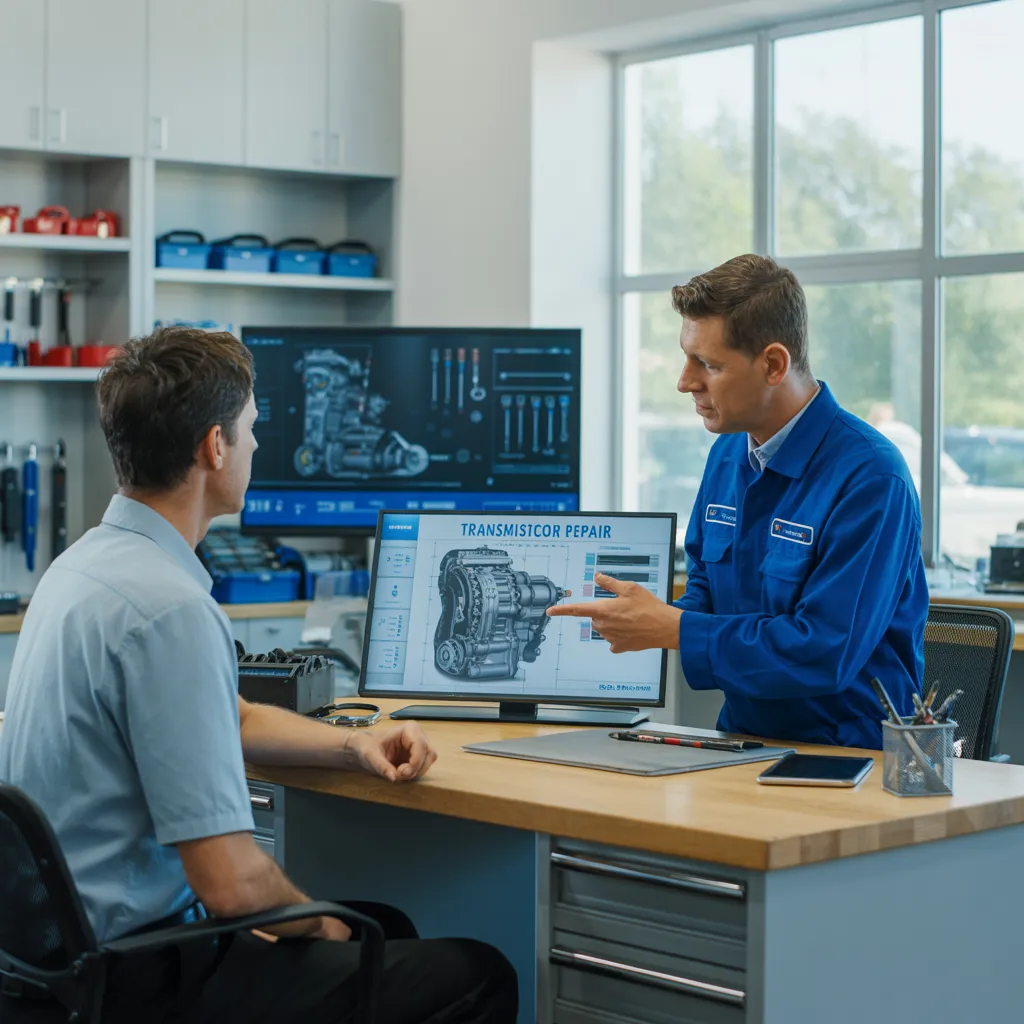
Importance of Consistent Maintenance
Although many automobile owners could disregard routine care, the value of regular maintenance remains paramount. Consistent upkeep functions as a preventive strategy for vehicle care, significantly prolonging an automobile's longevity and improving its functionality. It facilitates spotting potential malfunctions before they evolve into pricey repairs. Furthermore, routine checks can improve fuel efficiency, ensuring that the vehicle operates at its ideal level. Safety is another critical aspect; well-maintained vehicles are less likely to experience breakdowns or accidents caused by mechanical failures. Additionally, adhering to a maintenance schedule often preserves warranty coverage, providing financial protection for owners. In the end, consistent upkeep is not simply a suggestion but an essential obligation that immediately impacts an automobile's dependability, security, and total worth.
Frequent Car Repair Solutions
Standard auto repair services encompass essential routine maintenance and critical brake system repairs. These services make certain vehicles function safely and efficiently, addressing wear and tear that can occur over time. Understanding these solutions helps vehicle owners make informed decisions about their automotive needs.
Routine Maintenance Services
Routine maintenance services play an essential role in safeguarding a vehicle's longevity and performance. Such maintenance tasks usually involve oil changes, fluid assessments, tire rotations, and filter changes. Frequent oil changes contribute to sustaining engine vitality, while verifying fluid levels secures optimal functioning of all systems. Tire rotations promote even wear, extending tire life and enhancing safety. Furthermore, substituting air and cabin filters leads to better air quality and engine effectiveness. By maintaining a consistent maintenance schedule, vehicle proprietors can recognize potential concerns promptly, reducing the likelihood of costly repairs. Overall, these essential services support a vehicle's reliability and efficiency, delivering confidence to drivers and promoting a more pleasant driving experience.
Braking System Repairs
Brake repair services are vital for maintaining automotive safety and functionality. This important component of vehicle upkeep involves multiple parts, like brake pads, rotors, calipers, and brake fluid. Regular inspections can identify deterioration, which, if not handled, may lead to diminished stopping power and elevated accident potential. Common repair services include changing worn brake pads, refinishing or changing rotors, and changing brake fluid to sustain hydraulic performance. Mechanics employ testing instruments to assess the entire braking system, ensuring all elements operate properly. Regular brake system repairs not only boost safety while also improving increase total vehicle durability, making them an important part of comprehensive automotive care programs. Drivers should emphasize these services to ensure dependable operation.
Comprehending Motor Diagnostics
Engine diagnostics serve a crucial function in pinpointing malfunctions within a vehicle's engine, guaranteeing optimal functionality and durability. Mechanics regularly employ diagnostic tools to retrieve and interpret error codes created by the vehicle's onboard computer system. Grasping these codes is necessary for effective troubleshooting and implementing appropriate repair solutions.
Significance of Engine Diagnostics
While many vehicle owners may overlook the significance of engine diagnostics, understanding this essential aspect of auto repair can stop pricey maintenance and boost car performance. Engine diagnostics entails systematically evaluating a vehicle's engine systems to pinpoint potential issues before they worsen. Early diagnostics can expose problems such as ignition issues, poor fuel economy, and emission problems, which, if left untreated, may cause considerable deterioration and high-priced maintenance. Additionally, regular diagnostics help maintain maximum engine functionality, improving gas mileage and prolonging the vehicle's lifespan. By making engine diagnostics a priority, vehicle owners can confirm their automobiles perform optimally, minimize the chance of malfunctions, and ultimately save money in the long run. Investing in this service is a proactive approach to vehicle upkeep.
Widely Used Assessment Tools
Efficient engine diagnostics are built upon a variety of common diagnostic tools that aid mechanics in identifying and addressing vehicle issues. One vital tool is the OBD-II scanner, which connects to the vehicle's onboard diagnostics system, permitting technicians to retrieve trouble codes and monitor engine performance. Furthermore, multimeters are critical for measuring electrical signals, aiding diagnose issues related to sensors and wiring. Compression testers examine the engine's internal health by measuring cylinder pressure, while timing lights verify that spark timing is properly aligned. Vacuum gauges can uncover manifold pressure issues, suggesting potential leaks or blockages. Together, these tools offer a thorough understanding of engine condition, facilitating effective repairs and maintenance for peak vehicle performance.
Understanding Error Codes
How can mechanics accurately interpret diagnostic codes to diagnose vehicle issues? Interpreting these codes requires a combination of technical knowledge and the use of specialized diagnostic devices. Mechanics use On-Board Diagnostics (OBD-II) systems to retrieve codes that indicate specific problems within the vehicle. Each code corresponds to a distinct issue, ranging from engine misfires to sensor failures. Expert technicians assess these codes in combination with real-time data from the vehicle's performance metrics. This complete approach allows them to pinpoint the root cause of the problem rather than merely addressing symptoms. Furthermore, staying updated with manufacturer guidelines and service bulletins boosts their ability to interpret diagnostic codes effectively, ensuring accurate and efficient repairs that keep vehicles running smoothly.
Brake System Services and Safety
Ensuring vehicle safety relies heavily on the quality of brake services. Appropriate brake maintenance is vital for avoiding accidents and ensuring optimal vehicle operation. Regular inspections can identify worn pads, damaged rotors, or fluid leaks that may diminish braking performance. Technicians highlight the importance of addressing these issues immediately to avoid more severe damage and costly repairs in the future. Moreover, understanding the signs of brake wear, such as grinding noises or reduced responsiveness, can assist drivers in seeking timely assistance. Routine brake service not only boosts safety but also prolongs the lifespan of braking components. Finally, a well-maintained brake system is critical for peak vehicle performance and driver confidence on the road.
Picking the Right Auto Repair Shop
Selecting the right auto repair shop can significantly impact the quality of vehicle maintenance and repairs. It is essential for vehicle owners to assess several factors when making this selection. To begin with, researching the shop's reputation through online reviews and referrals from friends can provide valuable perspective. Additionally, verifying certifications and qualifications of the mechanics guarantees that the shop has the necessary expertise. A reliable auto repair shop should also offer transparent communication regarding services and repairs, allowing customers to make informed decisions. Moreover, a well-organized and clean facility often reflects the professionalism and commitment of the technicians. Ultimately, choosing a reputable auto repair shop can lead to long-term vehicle health and increased safety on the road.
Affordable Options for Vehicle Maintenance
Although vehicle maintenance can sometimes seem costly, there are several cost-effective solutions that can help owners manage their expenses without sacrificing quality. Regular preventative maintenance, such as oil changes and tire rotations, can extend a vehicle's lifespan and minimize the probability of expensive repairs. Using DIY techniques for minor repairs or routine checks can also save money, while keeping up with recalls and warranty services guarantees that owners take full advantage of manufacturer support. Moreover, shopping around for competitive auto repair rates and seeking out local mechanics can generate significant savings. By emphasizing maintenance and adopting a proactive approach, vehicle owners can keep their cars in excellent condition without breaking the bank.
FAQ
How Often Do I Need to Change My Oil?
Usually, it is recommended to switch oil every 3,000-5,000 miles, depending on the vehicle and oil type. Regular maintenance guarantees peak engine performance and longevity, preventing potential issues and encouraging smoother operation.
What Indicates My Transmission Requires Repair?
Signs of transmission troubles include gear slippage, strange sounds, fluid leaks, warning lights, slow gear changes, or a burning smell. Prompt attention to these indicators can prevent further damage and secure vehicle safety and dependability.
Is Self-Performing Vehicle Maintenance an Option?
Yes, people can handle their own vehicle maintenance if they have the appropriate tools, knowledge, and skills. Nevertheless, they must ensure they adhere to safety protocols and manufacturer guidelines to prevent possible errors or safety risks.
What Should I Do When My Check Engine Light Comes On?
Once the check engine light comes on, the driver should initially inspect for loose or improperly fitted gas caps, then use an OBD-II scanner to diagnose the problem, and consult a professional mechanic if essential for additional assessment.
In What Ways Do Weather Conditions Influence Vehicle Performance?
Atmospheric conditions substantially alter vehicle performance. To illustrate, intense temperatures can compromise battery effectiveness, while wet conditions can decrease traction and increase stopping distances, necessitating adjustments in driving behavior and vehicle maintenance approaches for safety.